
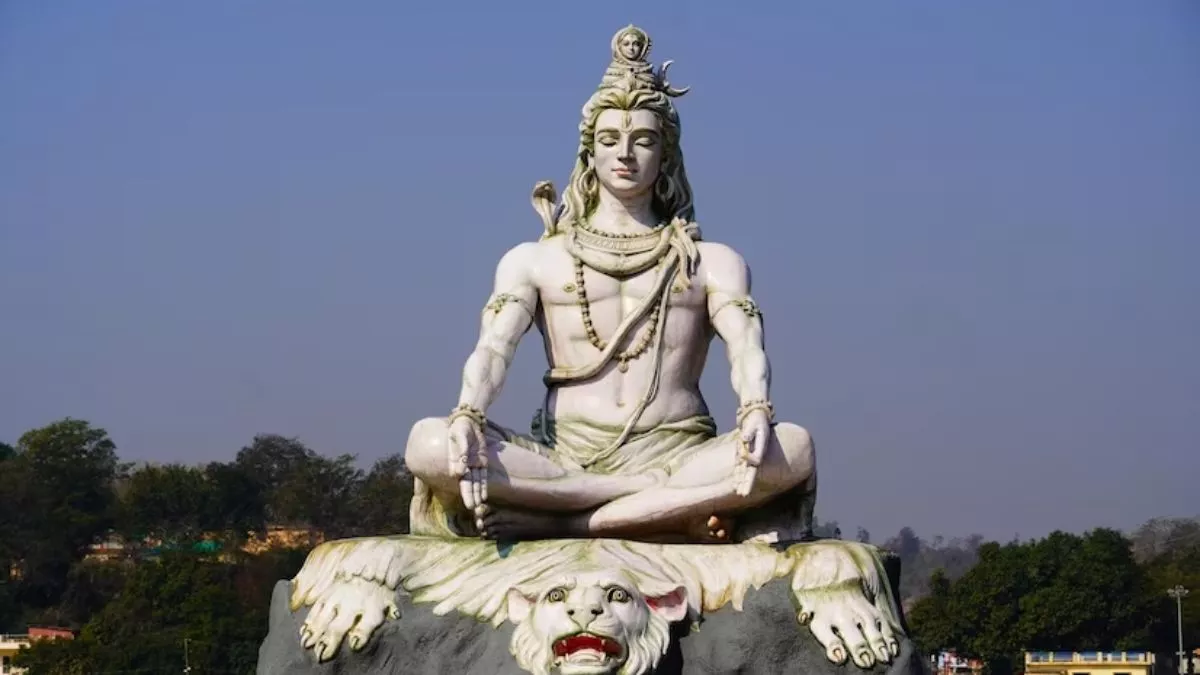
Introduction: Maha Shivratri, which translates to "the great night of Lord Shiva," is one of the most important Hindu festivals celebrated every year. It is a night of great significance for all devotees of Lord Shiva, who observe the festival with great devotion and fervor. This article delves into the history, significance, and rituals associated with Maha Shivratri. History and Significance: According to Hindu mythology, Lord Shiva is the destroyer of the universe and the Lord of dance, also known as Nataraja. Maha Shivratri is celebrated to commemorate the night when Lord Shiva performed the Tandava, the divine dance that symbolizes the cycle of creation and destruction of the universe. It is believed that Lord Shiva married Goddess Parvati on this day. The festival holds great significance for devotees of Lord Shiva, who consider it a powerful opportunity to connect with the divine. It is believed that by offering prayers and performing rituals on Maha Shivratri, devotees can receive the blessings of Lord Shiva and attain spiritual enlightenment. Rituals and Celebrations: The festival of Maha Shivratri is observed on the 14th day of the Hindu month of Phalguna (February/March) every year. Devotees fast throughout the day and offer prayers to Lord Shiva throughout the night. Many devotees wear yellow and white-colored clothes on this day, as it is believed to be Lord Shiva's favorite colors. They also visit Lord Shiva temples and offer Bilva leaves, which are considered sacred to Lord Shiva. Some also perform Rudrabhishek, a special ritual where they bathe the Shiva linga with milk, honey, ghee, and water while chanting Vedic mantras. Devotees also participate in night-long vigils and sing devotional hymns in praise of Lord Shiva. Many communities also organize processions with people dressed as Lord Shiva and Goddess Parvati, accompanied by musicians and dancers. Conclusion: Maha Shivratri is a celebration of the power of Lord Shiva and his role as the creator and destroyer of the universe. It is a time for devotees to connect with the divine and seek blessings for a prosperous and fulfilling life. By offering prayers, fasting, and performing rituals, devotees can attain spiritual enlightenment and find inner peace. As Lord Shiva himself said, "A single utterance of my name can burn away all sins." FAQs: Why is Maha Shivratri celebrated? Maha Shivratri is celebrated to commemorate the night when Lord Shiva performed the Tandava, the divine dance that symbolizes the cycle of creation and destruction of the universe. What is the significance of wearing yellow and white clothes on Maha Shivratri? Many devotees wear yellow and white clothes on Maha Shivratri as it is believed to be Lord Shiva's favorite colors. What is Rudrabhishek? Rudrabhishek is a special ritual where devotees bathe the Shiva linga with milk, honey, ghee, and water while chanting Vedic mantras. What is the importance of Bilva leaves in Maha Shivratri? Bilva leaves are considered sacred to Lord Shiva, and offering them on Maha Shivratri is believed to bring blessings and good fortune.